By Wylie Roberts
Wait, are dead-trees zombies? I’m not saying that trees will spontaneously resurrect themselves and start wandering the land looking for the tree-equivalent of the brain. I just mean that trees have an important role to play in many organisms lives long after they kick the bucket that goes under-appreciated. In a world where recent biological introductions have been altering the lifetimes of our woody neighbors maybe we should understand how their stories continue post an insect-driven, fungal-ly fantastic, or seriously stormy death.
We all love our trees, whether lining our city streets or towering gracefully in natural areas, for the shade they provide on hot summer days, the filtration of air and storm runoff, food sources they provide for local wildlife, and nesting sites they offer for many birds. So, when recent environmental news stresses the speed at which emerald ash borers cut off the flow of water and nutrients in ash trees, beach leaf disease defoliates until death, or hemlock wooly adelgid sucks hemlocks dry, it is easy to enter a state of panic over the state of our urban or wild forests. However, despite the legitimate concern over modern-day plagues sweeping through our woods, standing or fallen dead wood plays an important role in our forests and an opportunity to increase biodiversity.
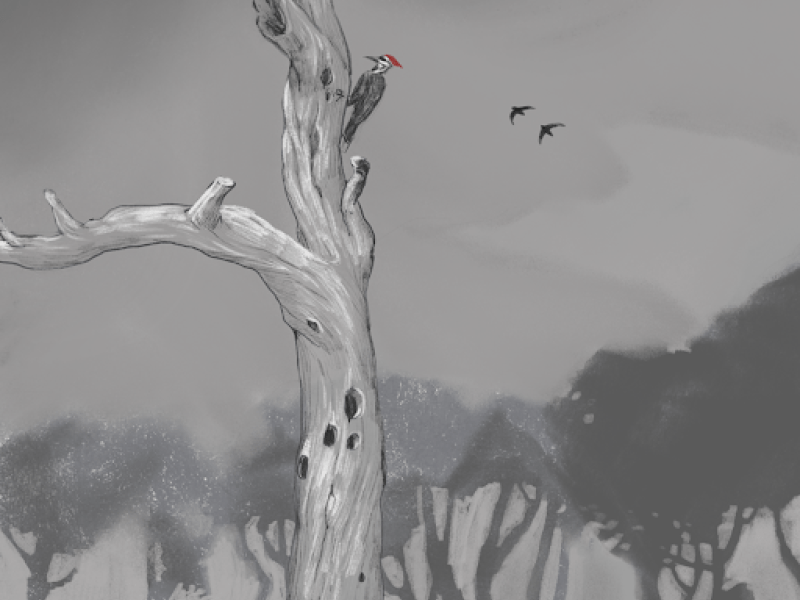
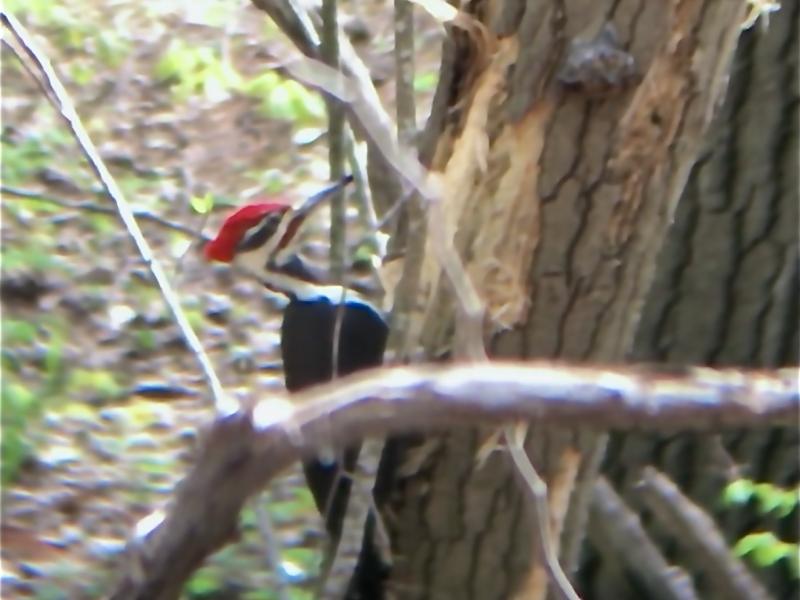
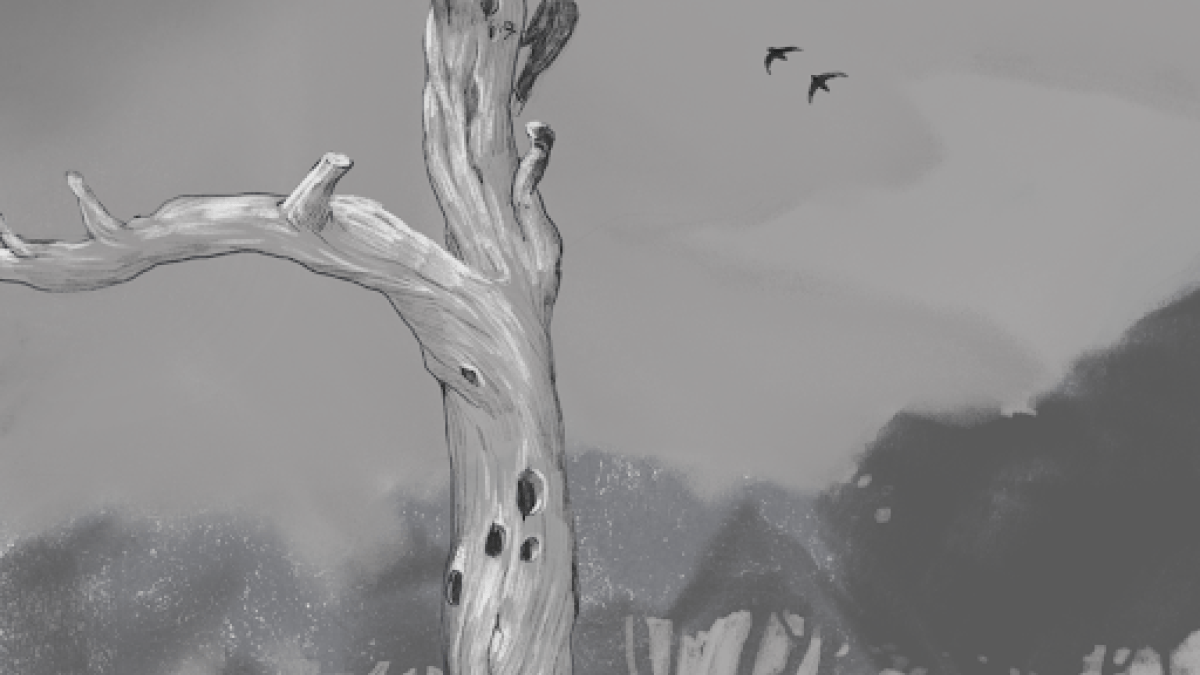
Due to our social needs to decrease the risk of damage to private and personal property, standing dead wood is a lost feature of our urban landscape. No snags mean fewer homes owls, bats, wood ducks, raccoons, and flying squirrels. Apart from the homes the provide for wildlife they also serve as foraging locations for woodpeckers, nuthatches, and lookouts for birds of prey or birds that eat flying insects.
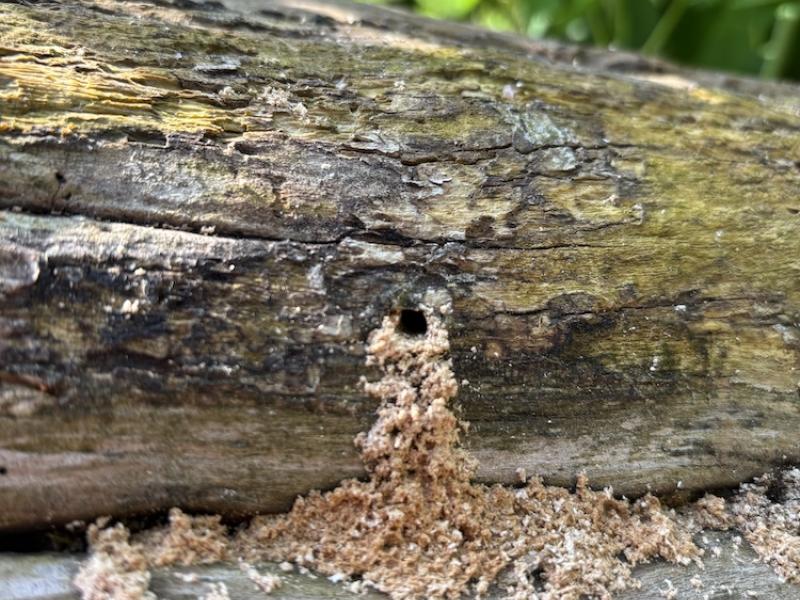
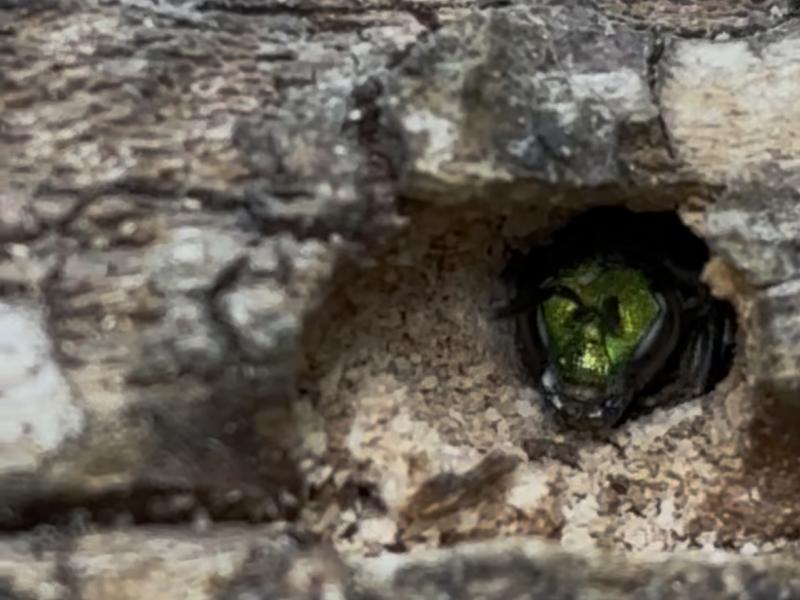
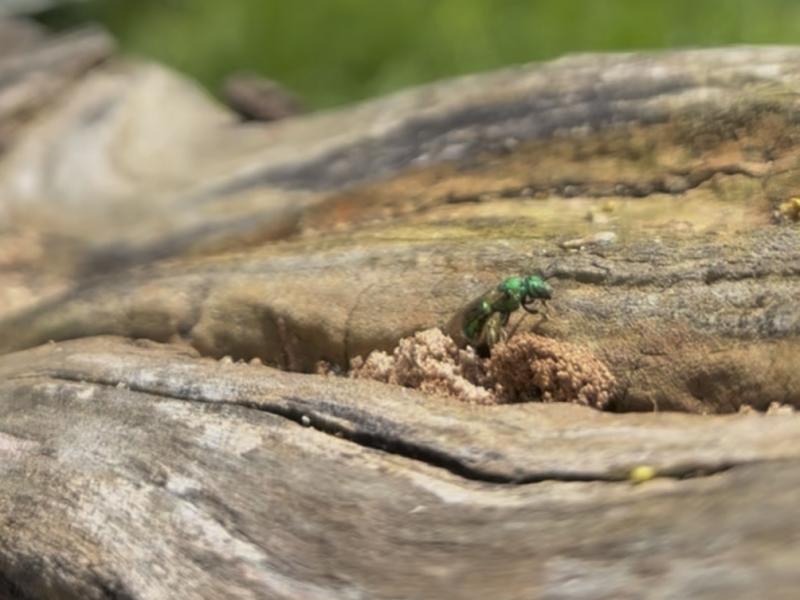
While in urban environments, preserving large, dead, standing trees may be hazardous, consider some other options to incorporate habitat in your yard. Piles of bush, rotting logs, and manageably sized stumps offer many of the same benefits to a diversity of species like amphibians, and cavity nesting bees and create forage sites for those insect-seeking birds! Does this make it easier for you to stomach the “living dead”?
You can find more ideas for creating habitat in our habitat tips: